
TMAF26
-
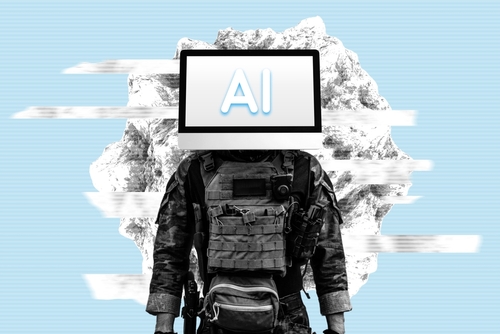
AI‑Driven Simulation For Officer Training: Bridging Theory And Practice
Abstract: The accelerating pace of digitalisation and autonomous systems challenges traditional officer education. Future leaders must be prepared to operate in environments shaped by artificial intelligence, automation, and complex ethical dilemmas. This paper explores how AI‑driven simulation can enhance readiness and adaptability in officer training, ensuring that cadets develop both technical competence and strategic judgment.… Read More
Written by
-
AI-Driven Support For Military Training Documentation Design
Abstract: Military documentation plays a central role in training and operational practice, yet its quality is rarely evaluated from the perspective of actual use. Documents tend to prioritise completeness and regulatory compliance over clarity. This results in materials that are information dense, cognitively demanding, and prone to misinterpretation, particularly under time pressure. This article proposes… Read More
Written by

-
Artificial Intelligence In The English Language Education For Tomorrow’s Officers
Abstract: Artificial intelligence (AI) is becoming an unavoidable element of higher education, military training, and language learning. For future officers, however, English proficiency cannot be reduced to the efficient production of grammatically acceptable texts or rehearsed oral responses. Within the NATO environment, preparation for STANAG 6001 must remain anchored in independent, unrehearsed, general communicative ability… Read More
Written by

-
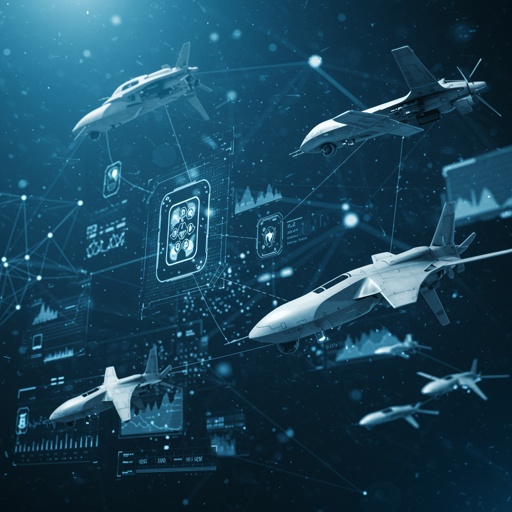
The Governance Of AI-Driven Systems For The Military
Abstract: The integration of artificial intelligence (AI) into military domains, particularly in Lethal Autonomous Weapons, raises significant ethical and legal concerns in a contested and incomplete normative framework. This paper critically examines these challenges to assess the adequacy of existing legal norms and ethical frameworks governing the deployment of autonomous and semi-autonomous systems. The paper… Read More
Written by
-
Operational Art In The Digital Age
Abstract: Beyond their socio-economic implications, disruptive technologies influence all instruments of state power, especially the military. Artificial intelligence (AI), Machine Learning (ML), and autonomous systems are transforming traditional ways of thinking, leadership concepts, and processes, necessitating new approaches to prepare military decision-makers at all levels of command for a complex, technology-driven environment. This article explores… Read More
Written by

-
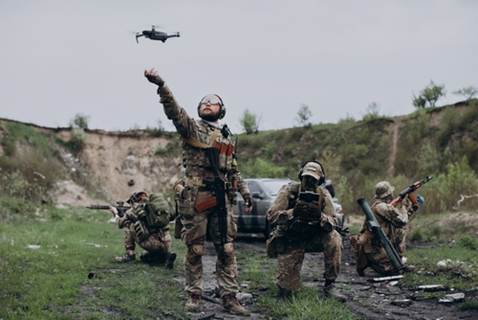
Drone Warfare And Officer Training: Lessons From The War In Ukraine
Abstract: The war in Ukraine demonstrates that drone warfare is a potential catalyst for profound transformation. Unmanned aerial systems have reshaped battlefield awareness, accelerated decision-making, and redistributed authority to lower tactical levels. This shift challenges traditional hierarchical command structures and exposes tensions between doctrine and operational reality within NATO and EU armed forces. Despite ongoing… Read More
Written by
-
Are You REDy? Using Red AI Tactics And The Defence Metaverse To Augment Future Force Design
Abstract: Force designers face demanding methodological challenges when considering how best to adapt concepts, successfully adopt new technologies, and overhaul existing structures and processes amid a fundamentally changing geostrategic environment. The Defence Metaverse, an ultra-realistic virtual twin of the battlefield, and powerful new red AI tactics offer sovereign European solutions to tackle these challenges by… Read More
Written by

-
Bias Vs. Bots: Training Officers For Cognitive Warfare
Abstract: Emerging technologies increasingly accelerate intelligence and decision cycles, yet the officer as human-in-the-loop remains cognitively vulnerable within contested information environments. Artificial intelligence may both mitigate and amplify these vulnerabilities. This article conceptualises Cognitive Resilience as the systematic integration of cognitive control loops into military decision-making. It proposes a training framework—Countering Cognitive Warfare Training (CCW… Read More
Written by

-
An Austrian Perspective On Training First-Person-View-Drone-Builders And Operators
Abstract: Unmanned Aerial Vehicles (UAVs) and, especially, First Person View (FPV)-drones have fundamentally altered conventional and asymmetric warfare. With their rapid development since 2022 in the Russian-Ukrainian war, the Austrian Armed Forces recognised the need to develop methods to train future leaders in the intricacies of warfare with a heavy UAV presence and in integrating… Read More
Written by

-
“Analogue” And “Digital” Reserve Forces
Abstract: Specialised digital-reserve functions are becoming increasingly important in how states conceptualise reserves in national and allied security. Alongside traditional reserve roles, digitally-specialised reservists can mobilise scarce expertise in cyber defence, data, cloud systems, and AI. Drawing on civilian and academic professionals, they may strengthen resilience against hybrid threats while raising questions of interoperability, legality,… Read More
Written by
